Get updates from The Developer straight to your inbox Yes, please!



What does Peter Apps’ cash-for-journalism sting video reveal about the relationship between PRs and reporters?
Award-winning journalist Peter Apps blew the whistle after being offered £500 to pitch an article to a national newspaper. Isolated case or tip of the iceberg? Christine Murray


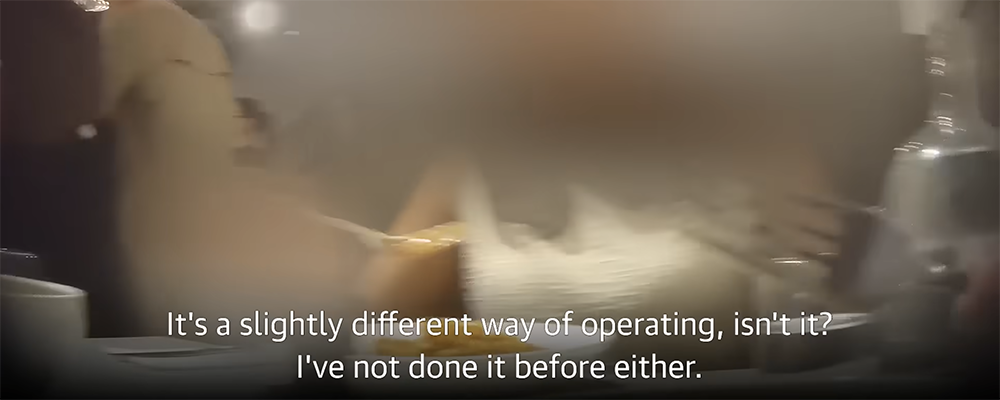
The faces are blurred and the camerawork shaky, but the conversation is clear. Over a meal, award-winning journalist Peter Apps is being offered a secret payout of hundreds of pounds to write articles that suggest the Building Safety Regulator is worsening the housing crisis.
The offer was led by CT Group’s head of real estate, Gavin Stollar on behalf of unnamed property clients of the political lobbying group. The implied arrangement would give CT Group increased editorial control over the content of the article in exchange for a cash payment. National papers discussed include The Guardian and the Financial Times. It’s suggested to Apps that he should not inform the editor at the newspaper about the deal.
In response to the story, CT Group told The Guardian that the events had been “deliberately mischaracterised”.
Under the CAP Code set by the Advertising Standards Authority, publications are expected to make it clear when a brand has paid for or made a reciprocal arrangement for editorial control. Although it may appear alongside independent content, it must be labeled as advertorial or sponsored content.
Apps told The Developer that he was “genuinely surprised” by how quickly CT Group discussed offers of money. “It really worries me in terms of how frequently this might be going on. The sums being offered were quite small in context, which also surprised me, and again makes me question how willing others might be to agree to an offer like this.”
The content of the article is brazen, given Apps’ reputation as a champion for fire safety. The Building Safety Regulator was set up in the wake of the Grenfell Tower fire which killed 72 people – and was directly influenced by Apps’ award-winning journalism on fire safety and his book, Show Me The Bodies: How We Let Grenfell Happen, which exposed how a lack of government regulation had led to failings in the tower building.
CT Group said it would provide research and case studies for the article, which would focus on the human consequences of the UK’s housing shortage and how the Building Safety Regulator was aggravating the crisis. A second article about property guardianship is also discussed – CT Group represents Live-in Guardians, a guardianship company.
Apps says political lobbying by property firms is not a problem per se – it can help to shape good policy. But lobbying should never be a secret. “The involvement of any industry in pushing for policy change is fine,” says Apps. “It is critical, though, that this must be transparent, and this is where things go wrong. We should know who is pushing for what and why, and what their vested interests are. When that is deliberately hidden, it’s a problem.
“Secret payments to journalists is about the worst example of that, but I think it speaks to a culture which tries to influence from the shadows. This isn’t just about developers - it almost certainly happens wherever a lot of available capital meets a desire for policy change.”
Does the cash-for-journalism scandal point to a wider systemic issue in property journalism? The media industry has struggled over the past 30 years due to the decline of print and a fall in subscriptions, jobs and advertising revenues. Many news teams now rely on freelance reporters rather than long-term staffers to pitch and write stories. Since the death of print advertising, outlets have pursued alternative revenue models including advertorial, awards, sponsorship and events – often paid for out of marketing, business development and PR budgets.
Apps sees a issue in the relationship between PRs and reporters, with editors relying on communication firms for exclusives and access, describing a “culture of favours where reporters try to stay in the good books of influential PR firms.”
“I have heard journalists talk before about how that creates an unspoken truce not to upset people they rely on,” says Apps. “I think this issue happened because of that culture. It formalises relationships which were already based on favours. Accepting money might seem more natural if you were working in that way anyway.”
Apps believes the number of journalists that have left the profession to join PR firms for higher salaries and better working conditions may also be a contributing factor.
“It’s natural for PRs and reporters to have a working relationship, but that can easily blur, especially when there is a bit of a revolving door,” Apps says. “It’s something journalists and responsible PRs need to reflect on and guard against.”
Find out more Read the original article exposing the offering of a cash payment for reporting in The Guardian
If you love what we do, support us
Ask your organisation to become a member, buy tickets to our events or support us on Patreon
Sign up to our newsletter
Get updates from The Developer straight to your inbox
Thanks to our organisation members
© Festival of Place - Tweak Ltd., 124 City Road, London, EC1V 2NX. Tel: 020 3326 7238